The Fundamentals of Sports Broadcasting
Understanding the Sports Broadcasting Landscape
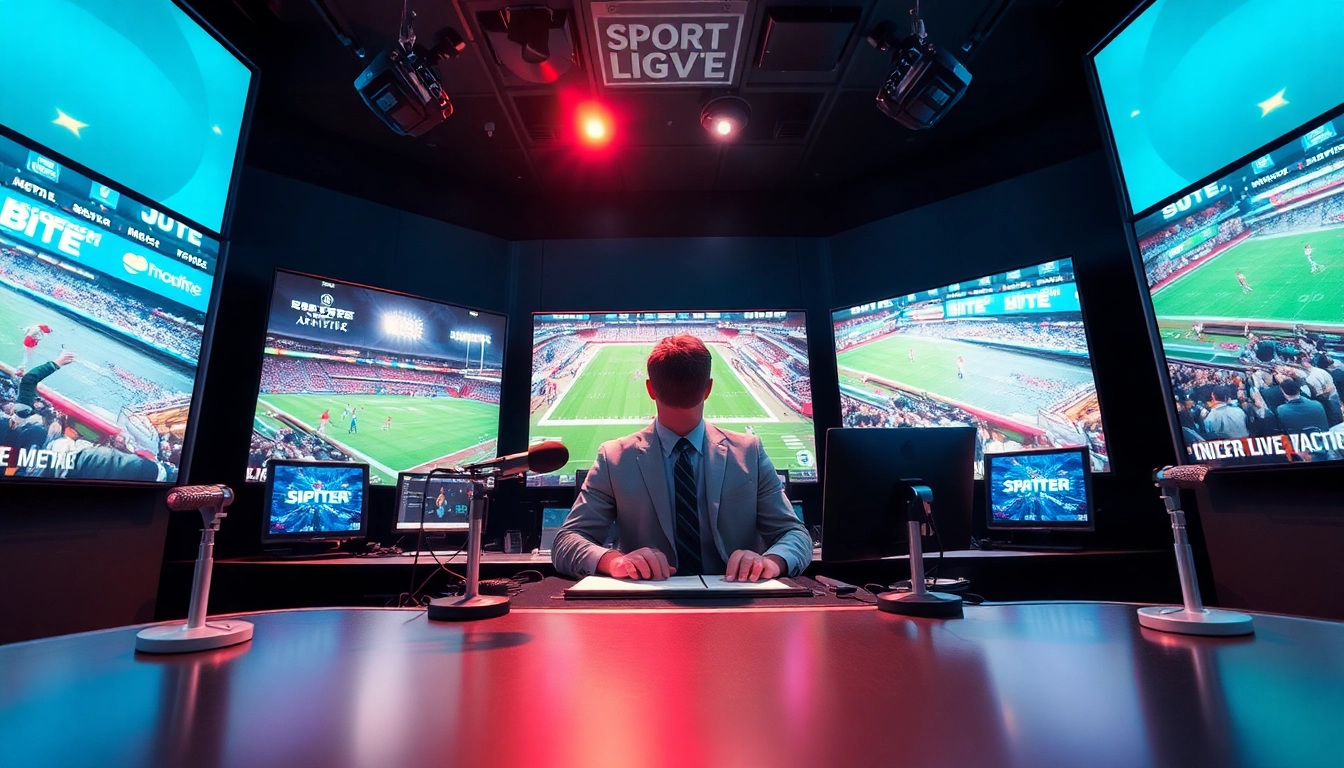
The world of Sports Broadcasting has evolved dramatically over the years, shaped by technological advancements, changing viewer preferences, and the commercialization of sports. At its core, sports broadcasting encompasses the production and distribution of live sports events to audiences through various mediums, including television, radio, and online platforms. The landscape is expansive, ranging from major leagues and sports networks to independent productions and streaming services, reflecting the diverse interests of audiences worldwide.
As the audience becomes more segmented, broadcasters are challenged to cater to varying tastes and preferences. This necessitates innovative strategies and a keen understanding of the target demographics. Efficient sports broadcasting is no longer just about airing events but involves creating an immersive experience that allows fans to connect with their favorite sports in meaningful ways.
Key Roles in Sports Broadcasting
The sports broadcasting ecosystem comprises several key roles, each integral to delivering compelling sports content to audiences. Understanding these roles helps in grasping how production teams work together to enhance viewer experience.
- Producers: They oversee the broadcast, making critical decisions about content decisions, scheduling, and coordination with various departments.
- Directors: In charge of visual storytelling, they decide camera angles, shots, and the overall aesthetic of the broadcast.
- Commentators and Analysts: These professionals offer insights, commentary, and color to the events, enhancing viewer engagement with informed dialogue.
- Crew Members: From camera operators to sound technicians, every crew member plays a pivotal role in ultimately delivering high-quality broadcasts.
- Sports Journalists: They provide context and background stories that add depth to the viewing experience, helping audiences understand more about athletes and events.
Essential Techniques for Viewership Engagement
Engagement is critical; keeping viewers hooked requires creativity and strategy. Here are some essential techniques:
- Interactive Content: Polls and quizzes during broadcasts can engage audiences while allowing them to express their opinions.
- Real-Time Social Media Updates: Integrating live social media feeds keeps the audience connected and enhances experience with instant reactions and discussions.
- Behind-the-Scenes Access: Offering viewers insights into what happens behind the curtain adds layers of interest to the broadcast.
- Quality Production Value: High-resolution visuals, expert commentary, and crisp audio can significantly improve viewer retention.
The Importance of Technology in Sports Broadcasting
Innovative Tools Used in Modern Broadcasting
Technology continues to shape sports broadcasting, providing tools that enhance production and viewer experiences. Innovations have included tools such as:
- Remote Production Tools: Allowing broadcasts to happen from anywhere can reduce costs while enabling access to tighter-knit audience pools.
- Virtual Graphics: Enhanced graphics and augmented reality (AR) overlays can illustrate real-time statistics and player performances.
- Mobile Streaming Applications: Applications that enable fans to watch games on the go have revolutionized how audiences access content.
- Drone Cameras: Providing aerial shots of events can add a unique perspective, enhancing the viewing experience.
The Role of Live Streaming in Sports Broadcasting
Live streaming has become a cornerstone of sports broadcasting. It allows for immediate access to events, attracting younger audiences who prioritize content accessibility over traditional methods. With platforms like Twitch and YouTube offering real-time opportunities, broadcasters are tasked with adapting to rapid technological changes to effectively reach viewers.
Moreover, live streaming enables direct interaction between athletes, commentators, and viewers, fostering a sense of community among fans. This connection is pivotal in cultivating loyalty and sustaining long-term viewership.
Data Analytics for Audience Insights
Data analytics provide invaluable insights into viewer behavior and preferences. By analyzing metrics such as viewership patterns, engagement rates, and social media interactions, broadcasters can tailor their content to meet their audience’s needs. Key areas of focus in data analytics include:
- Demographic Analysis: Understanding the age, gender, and geographical distribution of the audience helps in crafting targeted marketing strategies.
- Performance Metrics: Analyzing retention rates and peak viewing times can inform scheduling and programming decisions.
- Sentiment Analysis: Monitoring social media discussions can gauge audience perceptions and attitudes towards broadcasts.
Strategies for Effective Sports Broadcasting
Creating Compelling Storylines for Audiences
Storytelling is at the heart of engaging sports broadcasting. Compelling narratives around players, teams, and events can turn a simple game into a gripping saga. Broadcasters should focus on:
- Character Development: Building narratives around star players or pivotal moments creates emotional connections.
- Historical Context: Highlighting past rivalries or achievements can deepen appreciation for current events.
- Fan Engagement: Sharing fan stories or experiences can enhance relatability and viewership loyalty.
Utilizing Social Media to Boost Engagement
Social media is indispensable for increasing engagement in today’s broadcasting landscape. Broadcasters can utilize various platforms to:
- Live Updates: Providing real-time game updates or behind-the-scenes content keeps fans engaged.
- Fan Polls and Questions: Engaging audiences through polls on social platforms allows fans to interact with broadcasts.
- Hashtags: Creating dedicated hashtags can promote discussions and build community among fans.
Best Practices for Audience Interaction
Effective communication with audiences is essential for building loyalty and engagement. Best practices include:
- Transparent Communication: Providing honest and clear updates regarding any changes in broadcasting helps maintain trust.
- Encouraging Viewer Interaction: Inviting viewers to submit questions for the commentators enhances the interactive experience.
- Feedback Mechanisms: Surveys or feedback forms can help broadcasters understand audience preferences and adapt accordingly.
Measuring Success in Sports Broadcasting
Key Performance Indicators (KPIs) to Monitor
In evaluating the effectiveness of sports broadcasting, it’s essential to establish clear KPIs. These might include:
- Viewer Ratings: Measuring the number of viewers compared to previous broadcasts provides insight into performance.
- Engagement Rates: Evaluating how audiences interact with the content, such as comments and shares, indicates effectiveness.
- Advertising Revenue: Tracking income generated from advertisements can reveal financial success and audience interest.
Understanding Viewer Analytics
Understanding viewer analytics involves diving deeper into the numbers to interpret audience behavior. Key considerations include:
- Viewing Habits: Analyzing not just who watches but when they watch can help schedule future broadcasts effectively.
- Audience Retention: Monitoring the number of viewers who stay throughout the event provides feedback on content quality.
Adapting Strategies Based on Feedback
Continuous improvement should be part of any broadcasting strategy. Engaging with feedback enables broadcasters to refine approaches to meet audience expectations. Strategies might involve:
- Regular Surveys: Inviting audience feedback through surveys can highlight areas for enhancement.
- Data Analysis: Using data to inform decisions ensures that strategies align with viewer interests.
Future Trends in Sports Broadcasting
Emerging Technologies in Sports Broadcasting
The future of sports broadcasting is intertwined with advancing technologies. Innovations such as artificial intelligence, machine learning, and enhanced broadcasting tools promise to revolutionize the industry. Artificial intelligence can automate various processes, while machine learning may provide personalized viewing experiences based on viewer preferences.
The Impact of Virtual Reality on Sports Viewing
Virtual reality (VR) technology is set to transform how sports are consumed. It offers immersive experiences, such as seat-like views from stadiums or unique angles from player perspectives. This engagement encourages shared experiences among fans, further solidifying community. The rise of VR can also lead to new avenues for broadcasters as they explore exclusive content and interactive features.
Predicted Changes in Audience Engagement
As the broadcasting landscape rapidly evolves, so do audience expectations. Future changes may include:
- Enhanced Personalization: Viewers will increasingly demand tailored content that reflects their sports interests and viewing habits.
- Increased Interactivity: Gamification of broadcasts and seamless engagement opportunities will become increasingly common.
- Community Building: Broadcasters will focus on creating platforms for fans to share experiences, forming deeper connections to their favorite sports.
FAQs
What exactly is sports broadcasting?
Sports broadcasting involves the production and distribution of live sports events through various mediums, including TV, radio, and online platforms.
What are the main roles in sports broadcasting?
Key roles include producers, directors, commentators, crew members, and sports journalists, each crucial to delivering quality broadcasts.
How can technology enhance sports broadcasting?
Technology enhances broadcasting with tools like mobile streaming, remote production tools, AR graphics, and drones for unique perspectives.
What metrics help measure success in sports broadcasting?
Key performance metrics include viewer ratings, engagement rates, and advertising revenue, helping assess the effectiveness of broadcasts.
What trends are shaping the future of sports broadcasting?
Emerging trends include VR experiences, personalized content, and increased interactivity, all set to redefine audience engagement.