
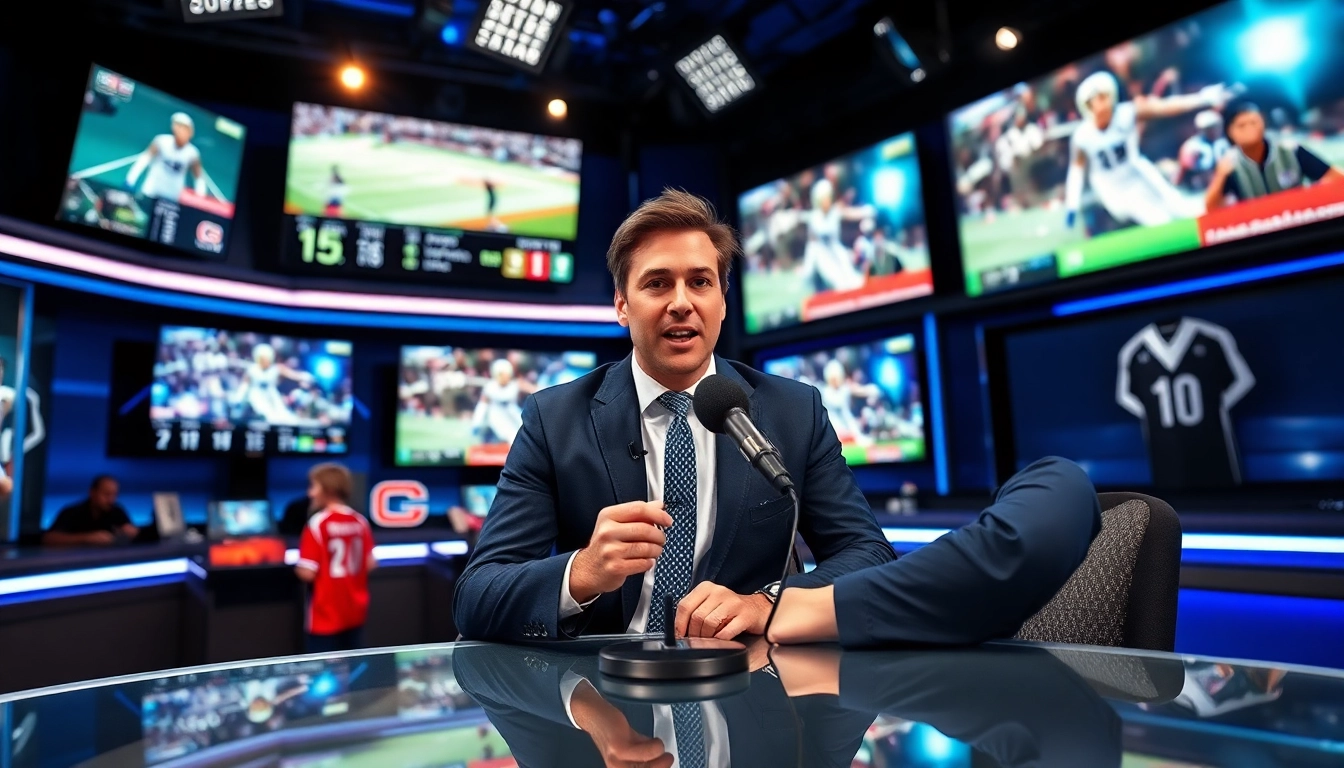
Understanding the Landscape of Sports Broadcasting
Overview of Sports Broadcasting
Sports Broadcasting has become a dynamic and expansive field that encompasses live coverage, commentary, analysis, and highlights of various sporting events. It serves the dual purpose of delivering sports entertainment while providing critical information to fans around the world. As the audience increasingly demands access to live events at their fingertips, the significance of this sector continues to grow. The integration of advanced technologies into the broadcast process has transformed how content is created, distributed, and consumed, leading to an enriched viewer experience. For those interested in this industry, understanding its nuances is crucial. To dive deeper into the evolving world of Sports Broadcasting, one must grasp its historical evolution, emerging trends, and essential skills required for success.
History and Evolution of Sports Broadcasting
The journey of sports broadcasting began in the early 20th century with radio broadcasts that allowed audiences to connect with live sports events, even if not present at the venue. The first-ever live sports broadcast was a boxing match in 1921, making it a landmark moment in sports history. The advent of television in the late 1940s reshaped sports consumption as it made sporting events more accessible to the general public. Iconic broadcasts of events like the Super Bowl or the Olympics became pivotal moments that captivated millions.
As technology progressed, so did the intricacies of sports broadcasting. By the 1980s and 1990s, cable networks emerged, delivering a wider array of sports coverage, including niche sports that previously lacked mainstream visibility. The revolution of digital broadcasting, coupled with the rise of the internet, led to streaming platforms that further transformed how content was delivered. Today, sports broadcasting encompasses multi-platform strategies, allowing audiences to consume content through various mediums, including smartphones and tablets, ensuring that fans remain engaged through personalized experiences.
Current Trends in Sports Broadcasting
Today’s sports broadcasting landscape is fueled by trends that focus on viewer engagement and innovative technologies. Some current trends include:
- Streaming Services: As cord-cutting increases, traditional broadcasting is challenged by digital platforms streaming live events, providing fans with direct access, often without geographical restrictions.
- Augmented Reality and Virtual Reality: These technologies enhance viewer engagement by providing immersive experiences, allowing fans to interact with content in innovative ways.
- Data Analytics: Broadcasters leverage data to personalize content, offering tailored recommendations and deeper analysis of games and player performances, driving engagement.
- Social Media Integration: Social platforms have become essential in broadcasting strategies, fostering direct interaction between fans and commentators.
Essential Skills for Sports Broadcasting Professionals
Technical Skills Required
Technical proficiency is paramount for anyone wishing to pursue a career in sports broadcasting. Essential skills include operating broadcast equipment, understanding editing software, and familiarity with remote broadcasting technologies. Professionals should be adept in various production roles, including camera operation, sound design, and video editing, ensuring the narrative of the sports event is compelling. With the shift to digital platforms, skills in graphic design and communications software are increasingly vital as well.
Communication and Presentation Skills
Strong communication and presentation skills are indispensable in sports broadcasting. Professionals must be able to convey information clearly and engagingly, keeping audiences invested in the unfolding events. Mastery over voice modulation, pacing, and articulation can significantly affect a broadcast’s quality. Additionally, the ability to engage with live audiences through social media or Q&A sessions can enhance personal branding and viewer loyalty.
Importance of Research and Analysis
Providing insightful analysis and background information adds depth to sports broadcasts. Professionals need robust research skills to prepare for events accurately and recognize key statistics, players’ narratives, and historical context. Knowledgeable commentators not only inform but also enhance the viewing experience by delivering analysis that resonates with fans, creating a more profound connection to the game.
Career Opportunities in Sports Broadcasting
Types of Roles Available
The sports broadcasting sector offers a myriad of career paths catering to different skill sets. Some prominent roles include:
- Sports Commentator: Providing live commentary and insights during games, engaging a wide audience.
- Production Assistant: Supporting various production roles, ensuring broadcasts run smoothly.
- Technical Director: Overseeing all technical aspects of a broadcast, ensuring quality and consistency.
- Sports Reporter: Researching and writing segments that cover significant sports news stories and athlete profiles.
Pathways to Entering the Industry
Entering the sports broadcasting industry often requires a blend of education and networking. Many professionals hold degrees in communication, journalism, or media studies, which provide foundational knowledge and skills. Internships with networks or production companies can offer invaluable experience, industry connections, and exposure to the broadcasting environment. Networking at industry events and leveraging social media platforms to engage with professionals in the field can also serve as a powerful catalyst for career advancement.
Advancement Opportunities
Advancement in sports broadcasting is often contingent upon skill development, experience, and reputation. Entry-level roles offer paths to more prominent positions such as lead commentator or production supervisor. Continuous learning through workshops, industry seminars, and advanced degree programs can improve prospects. Building a robust portfolio showcasing various skills and experiences can set professionals apart and open opportunities for higher-paying roles and increased responsibilities.
Challenges and Solutions in Sports Broadcasting
Addressing Competition in the Market
The sports broadcasting landscape is competitive, with numerous outlets vying for viewer attention. Unique content production, innovative storytelling methods, and leveraging cutting-edge technology can help broadcasters stand out. Consistent quality and niche programming can attract specific audience demographics, thereby establishing a loyal viewer base.
Maintaining Audience Engagement
With content readily available across multiple platforms, keeping audiences engaged poses a significant challenge. Adopting interactive elements such as live polls, behind-the-scenes content, and fan-driven segments can foster greater viewer involvement. Personalized recommendations based on viewing habits can also help maintain interest and loyalty.
Adapting to Technological Changes
Technological advancements continually reshape the sports broadcasting industry, demanding flexibility and adaptability from professionals. Keeping abreast of trends, investing in training, and leveraging new tools can enhance broadcast quality and audience connection. Embracing innovative formats and audience feedback plays a pivotal role in staying relevant in the industry.
Measuring Success in Sports Broadcasting
Key Performance Indicators (KPIs) in Broadcasting
Success in sports broadcasting can be measured through specific KPIs, including viewer ratings, audience retention rates, and engagement metrics such as social media interactions. Budgets allocated to production and advertising success can also serve as indicators of effectiveness and financial health. Consistent tracking of these KPIs allows broadcasters to pivot strategies as needed, ensuring sustained success.
Analyzing Audience Metrics
Comprehensive audience metrics analysis reveals valuable insights into viewer preferences, engagement levels, and demographic segments. Tools such as audience tracking software and social media analytics can help determine which content resonates with viewers, allowing broadcasters to fine-tune programming. Surveys and feedback mechanisms can further enhance understanding of audience desires and habits.
Feedback and Continuous Improvement
Implementing a continuous feedback loop facilitates ongoing improvement in sports broadcasting. Soliciting viewer feedback through surveys or focus groups can reveal strengths and areas for enhancement. Adapting broadcasts based on viewer preferences encourages loyalty and fosters a deeper connection to the content. Regularly assessing performance metrics and aligning programming strategies based on real-time data enables broadcasters to remain relevant and competitive.
FAQs
What qualifications are needed for a career in sports broadcasting?
While a degree in communication or journalism is beneficial, practical experience through internships and networking within the industry can be equally important for breaking into sports broadcasting.
How do I stay current with trends in sports broadcasting?
Regularly engage with industry publications, attend conferences, participate in online forums, and follow thought leaders on social media. Staying informed will help you adapt to rapid changes.
What are the biggest challenges in sports broadcasting?
Maintaining audience engagement in a competitive market and adapting to technological advancements are significant challenges. Innovating content and using technology creatively can help overcome these issues.
How is success measured in sports broadcasting?
Success is often measured through viewer ratings, engagement metrics, and audience retention rates. Analyzing these indicators provides insights into content effectiveness and audience preferences.
What skills are essential for sports broadcasters?
Essential skills include technical proficiency with broadcasting equipment, strong communication, presentation abilities, and thorough research skills to provide insightful analysis during broadcasts.